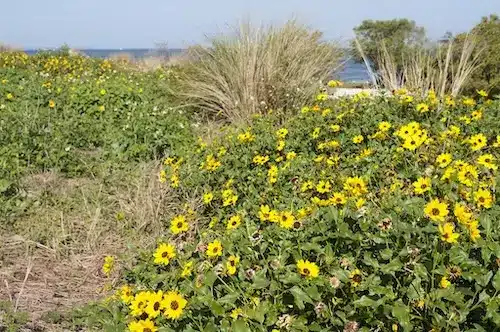
Brookings is one of the most forgiving places to garden on the entire Oregon coast. Its mild “banana belt” climate—warmer, sunnier, and less frost-prone than most of the coastline—lets you grow plants here that would struggle just a few miles inland. But coastal living still comes with its own rules. Salt air, ocean wind, sandy or fast-draining soil, wet winters, and hungry deer all shape what will actually thrive in a Brookings landscape.
The good news: once you choose plants suited to these conditions, a coastal garden becomes remarkably low-maintenance and beautiful year-round. Here are the best plants for coastal landscaping in Brookings, organized by the job they do in your yard.
Before picking plants, it helps to understand the conditions they need to handle. Brookings sits in a rare pocket of the Pacific Northwest with a mild, Mediterranean-style climate—dry summers, wet winters, and very few freezing days. That means a wide plant palette is on the table. The challenges aren’t cold so much as salt, wind, moisture, and drainage.
Salt spray. Ocean air carries salt that can scorch the leaves of sensitive plants. Coastal-proven, salt-tolerant species shrug it off.
Wind. Exposed lots near the bluff take steady ocean wind. Flexible, sturdy plants hold up where brittle ones snap or dry out.
Wet winters and drainage. Our rainy season is serious. Plants that tolerate winter moisture—paired with good drainage—will outlast those prone to root rot.
Deer. Deer are a constant in Brookings neighborhoods. Choosing deer-resistant plants saves a lot of heartbreak.
Shrubs give a landscape its structure and year-round presence, so it pays to choose ones built for the coast.

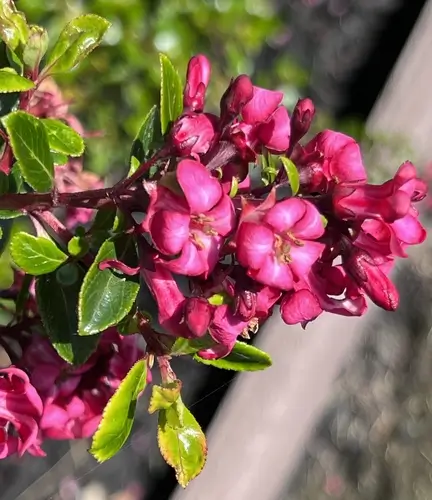
Escallonia is a coastal workhorse—glossy evergreen leaves, pink or white blooms, and excellent salt tolerance. It makes a superb informal hedge or windbreak.
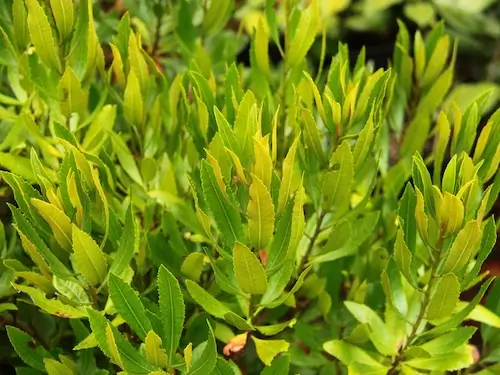
Pacific wax myrtle (Myrica californica) is a Northwest native that handles wind and salt beautifully and can be grown as a large shrub or small screening tree—ideal for privacy on exposed lots.
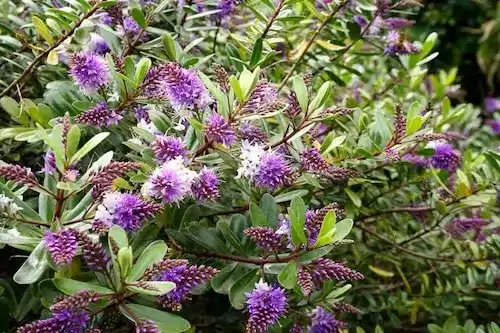
Hebe offers tidy, mounding evergreen form and long-lasting flower spikes that pollinators love, thriving in the mild coastal air.
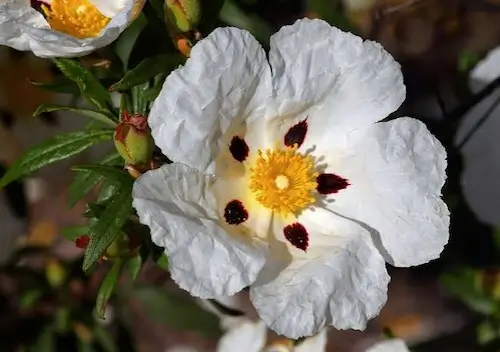
Rockrose (Cistus) is tough, drought-tolerant once established, and covered in papery blooms through summer—perfect for sunny, exposed spots.
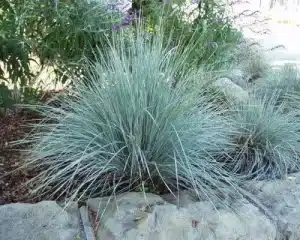
Brookings is also famous for its rhododendrons and azaleas—the town’s Azalea Park is proof of how well they perform here. In sheltered spots with a little wind protection and rich, well-drained soil, they reward you with spectacular spring color.
Grasses bring movement and softness to a coastal landscape, and the best ones actually seem to enjoy the wind.
Blue oat grass and Karl Foerster feather reed grass add vertical texture and sway gracefully in ocean breezes. For a native touch, Pacific reed grass and coastal-adapted sedges hold slopes and fill beds naturally.
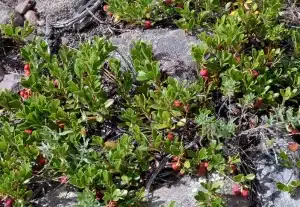
For groundcovers that knit the ground together and fight erosion, kinnikinnick (Arctostaphylos uva-ursi)—an evergreen Northwest native—along with coastal strawberry and creeping sedums spread readily, tolerate salt and sun, and need little care once established.

For the flowering layer that carries color through the seasons, several perennials are practically made for coastal conditions. Coastal aster, seathrift (Armeria), yarrow, kniphofia (red hot poker), and agapanthus all handle salt, wind, and lean soil while attracting pollinators. Lavender and Russian sage thrive in the sunny, dry-summer conditions of a Brookings yard and add fragrance along with their color. Because most of these are also deer-resistant, they’re a smart backbone for beds in exposed neighborhoods.
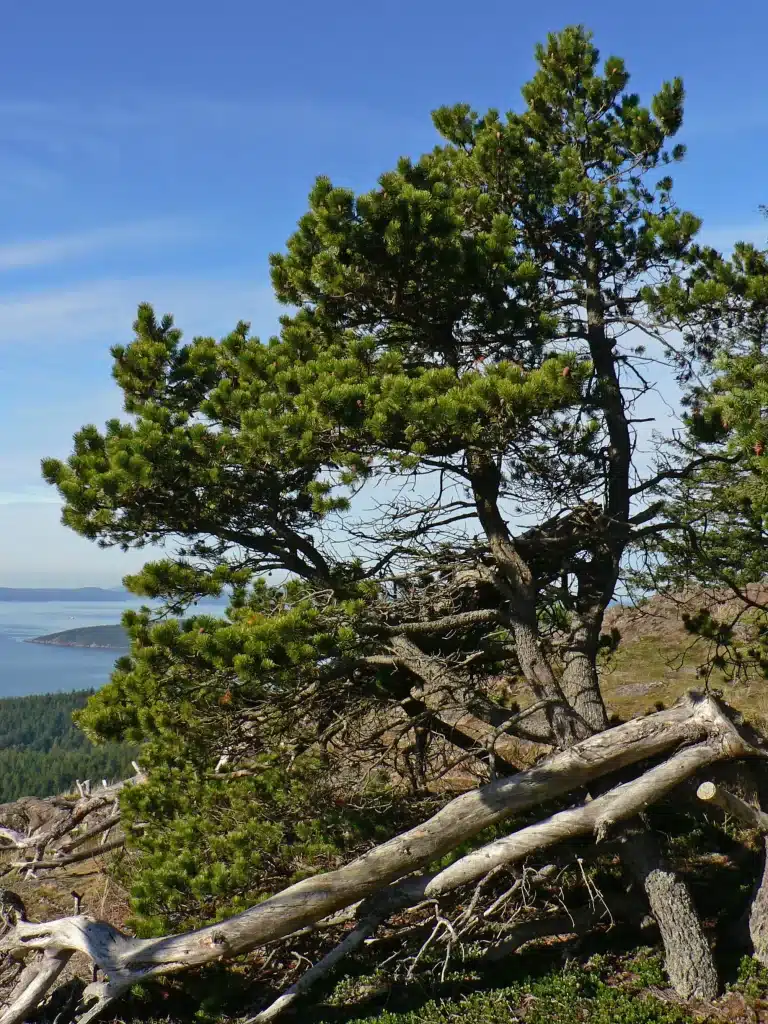
Choosing the right plants is only half the equation—how you arrange and support them matters just as much on the coast. Layer for wind protection. Use tough shrubs and small trees as a first line of defense so more delicate plants can flourish in their shelter. Prioritize drainage. Amend heavy soil and grade beds so winter rain drains away from roots. Many coastal plants tolerate drought far better than they tolerate soggy feet. Group by water need. Placing drought-tolerant plants together—an approach at the heart of xeriscaping—cuts maintenance and water use while keeping the garden healthy. Lean on natives. Northwest coastal natives are already adapted to salt, wind, and our rainfall pattern, which makes them some of the most reliable, low-care choices you can plant.
The right plants can turn a windswept Brookings lot into a lush, low-maintenance retreat—but it takes local knowledge to match each species to your soil, exposure, and views. At Hawthorne Landscaping, we design and build custom landscapes throughout Brookings and the southern Oregon coast, choosing plants that thrive in our coastal climate and pairing them with hardscaping, water features, and more. We can even show you the finished result before we plant a thing with our 3D renderings.
Request a consultation to design a coastal landscape built to thrive in Brookings.