
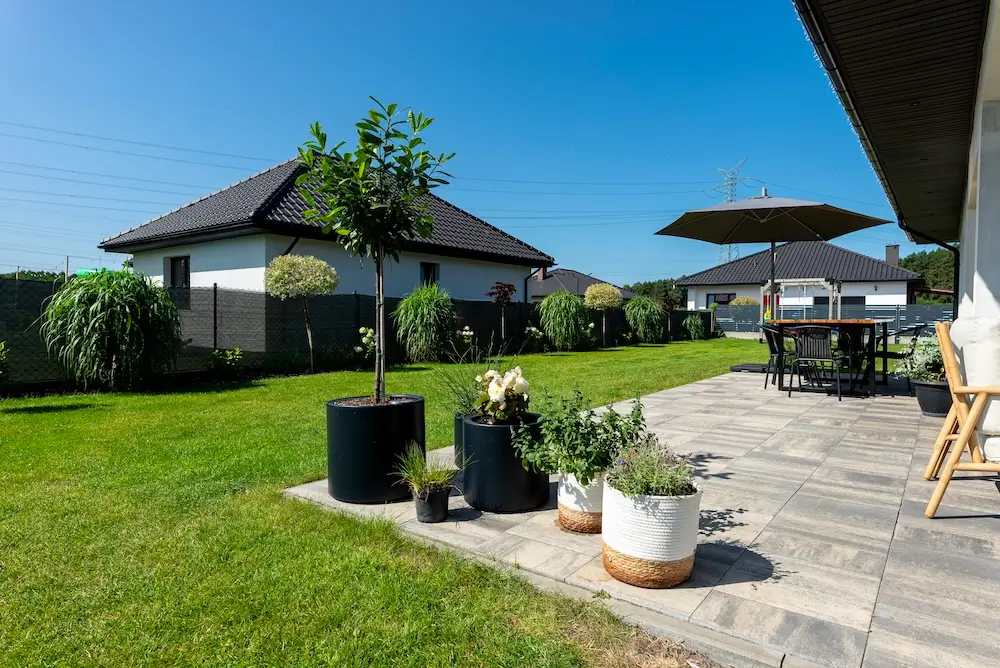
Brookings properties are rarely flat. Many sit on bluffs, hillsides, or lots that step down toward the ocean, and that terrain often makes the decision for you.
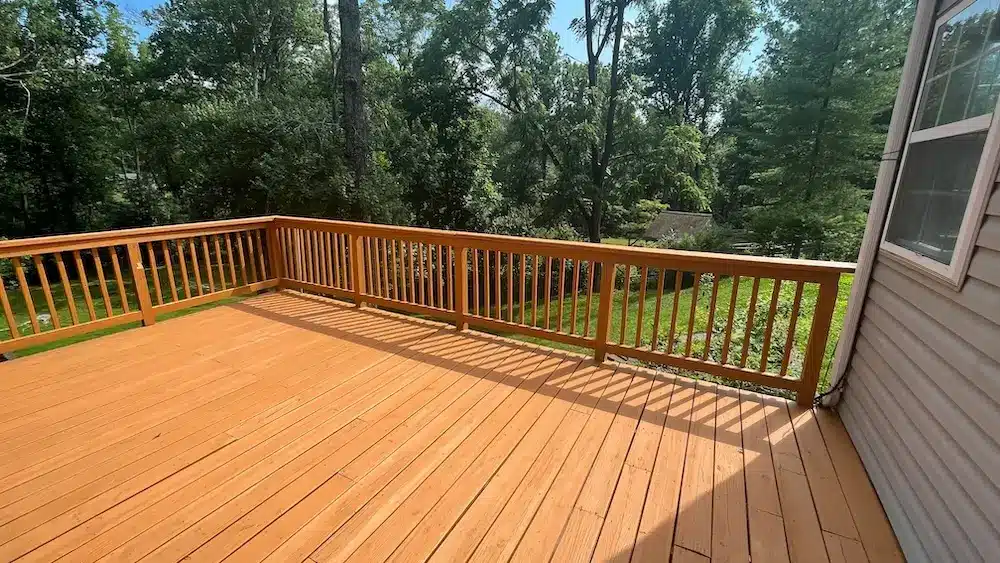
If your yard slopes or your best view sits above the ground line, a deck is usually the better fit. Decks are built up on posts, so they handle grade changes without the expense of major excavation or retaining walls, and they can be positioned to capture ocean views that a ground-level patio would miss entirely.
If your lot is relatively flat or gently graded, a patio becomes very attractive. Ground-level surfaces need a stable, well-drained base, which is easier and cheaper to achieve on level ground.
This is where a Brookings property differs from an inland one, and where material choice really matters.
Salt air and moisture. Coastal air is hard on building materials. Natural wood decks need diligent sealing and can weather quickly near the ocean, while composite decking and properly chosen hardware hold up far better against salt and damp. Patios built from stone, pavers, or concrete are naturally resistant to salt-air corrosion, which gives them an edge in exposed coastal locations.
Wind. An elevated deck catches more wind than a ground-level patio. On an exposed bluff, that can affect comfort. A patio tucked into the landscape, or paired with windbreak plantings and screening, often feels more sheltered on a blustery Brookings afternoon.
Drainage. Our wet season is real. Patios must be built with proper grading and a drainage base so water doesn’t pool or undermine the surface. Decks shed water naturally through the gaps between boards, which is a genuine advantage in a rainy climate.
Costs vary widely with materials, size, and site conditions, so treat these as directional rather than exact.
Patios are often more affordable per square foot when built on flat, stable ground, especially with concrete or standard pavers. Costs climb with premium natural stone or intricate designs. Decks tend to cost more up front because of framing, posts, footings, and labor, and composite decking (the coast-friendly choice) costs more than wood but saves on long-term upkeep. On a steeply sloped lot, though, a patio can actually become the pricier option once you factor in excavation and retaining walls—another reason terrain drives the decision.
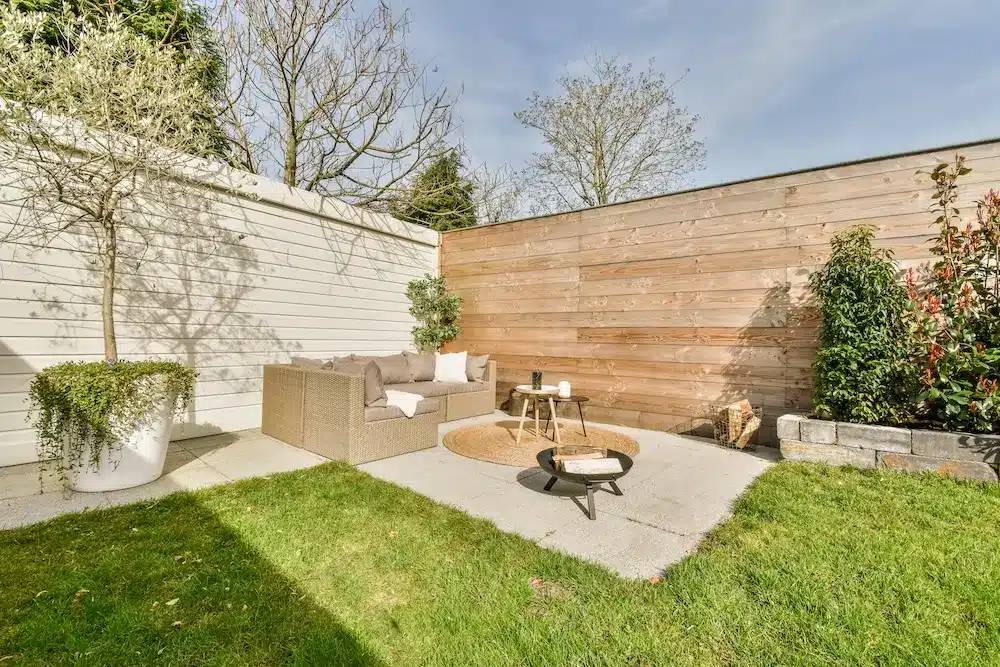
A patio is generally lower-maintenance: occasional cleaning, weed control between pavers, and resealing stone or concrete every few years. A wood deck needs regular sealing, staining, and inspection—more demanding in a salt-air environment. A composite deck cuts that maintenance dramatically, needing little more than periodic cleaning, which is why it’s a popular coastal upgrade.
Think about how you want to use the space. A deck lifts you up toward the horizon—ideal if an elevated ocean or valley view is the whole point of your property. A patio keeps you connected to the garden and integrates naturally with landscaping, fire features, water features, and outdoor kitchens at ground level. Many Brookings homes get the best of both by combining an elevated deck for the view with a lower patio for a sheltered gathering space.
There’s no universal winner. Lean toward a deck if your lot slopes, your view sits above ground level, or you want elevated outdoor living—and choose composite for coastal durability. Lean toward a patio if your yard is flat, you want lower maintenance and strong salt-air resistance, or you’re building around ground-level features like a fire pit or outdoor kitchen.
The best answer usually comes from walking the property with someone who understands both construction and the coastal conditions specific to Brookings.
At Hawthorne Landscaping, we design and build decks and patios throughout Brookings and the southern Oregon coast, with materials and layouts chosen to thrive in our coastal climate. Whether you want an elevated deck to capture the view, a sheltered patio for year-round gatherings, or a combination of both, our design-build team can bring it to life—and even show you the result first with 3D renderings.
Request a consultation to talk through what fits your property best.